

7 Winter Brake Maintenance Tips Every Truck Driver Should Know
General Truck Repair
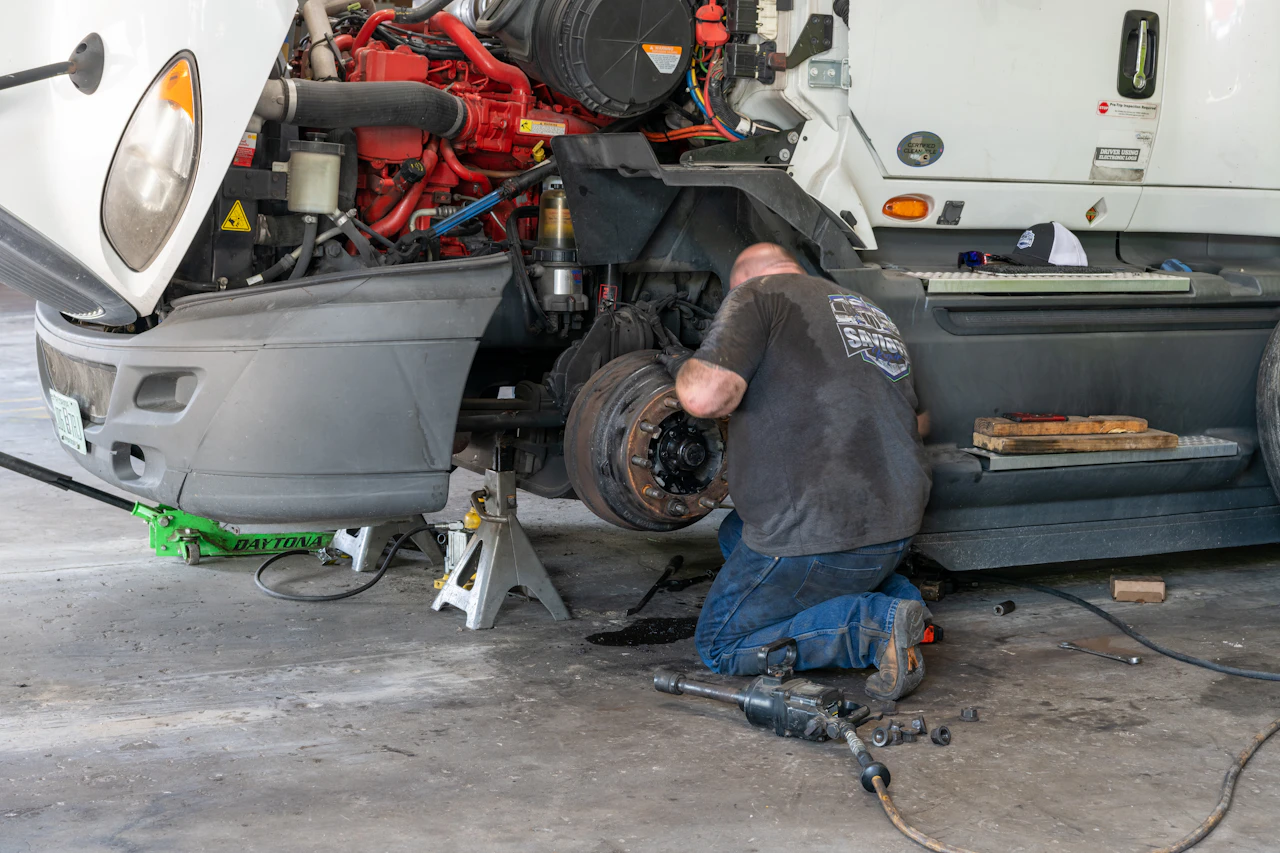
When winter rolls into Pearland, TX, you might not be thinking snow tires and icy mountain roads — but that doesn't mean your brakes are off the hook. Cold snaps, freezing rain, and unpredictable Gulf Coast weather can do a number on your braking system if you’re not ready.
Whether you're hauling through Texas or heading into harsher winter territory, keeping your brakes in peak condition during the winter months is essential. So, before you hit the road this season, here are 7 winter brake maintenance tips every truck driver needs to know.
1. Check for Air System Moisture
In heavy-duty trucks, air brakes reign supreme, and guess what? Brake moisture is their worst enemy. During winter, that moisture can freeze in your air lines, causing brake lag, line blockages, or complete failure. Not what you want when you're rolling 80,000 pounds down I-10.
To prevent that:
- Drain air tanks daily to release water buildup.
- Inspect your air dryer regularly to ensure it's working properly.
- Replace the desiccant filter if it's due, as it removes water vapor before it freezes.
2. Inspect Brake Shoes and Linings
Cold weather won’t directly destroy your brake shoes, but moisture, road salt, and grime certainly will. In winter, brake shoes and linings are more prone to contamination and uneven wear.
Here’s what to check:
- Cracks or glazing on the linings
- Shoes are pulling away from the drum
- Oil or grease contamination from leaky seals
Worn or contaminated shoes mean reduced stopping power and increased risk on slick roads.
3. Lubricate Moving Components
Cold weather makes everything stiff, especially metal-on-metal brake components. Without proper lubrication, parts like the S-cam, slack adjusters, and clevis pins may stick or bind, preventing full brake application.
Use low-temp grease that won't thicken or freeze when the mercury drops. Grease:
- Slack adjusters
- S-cam bushings
- Brake adjuster arms
Pro tip: Make it part of your PM schedule before winter sets in.
4. Test Brake Chamber Functionality
Your service chambers do the heavy lifting when you apply the brakes. When air enters, the internal diaphragm pushes the pushrod to engage the slack adjuster and rotate the S-cam, creating that friction you need to stop.
But if the chamber is:
- Rusted
- Leaking air
- Full of moisture
…you’ve got a problem. Use a leak-down test and listen for hissing when the system is charged. Replace weak chambers immediatel,y especially in winter, when failure can mean no brakes at all.
5. Watch for Frozen Brake Components
Down in Pearland, a sudden cold front can catch you off guard, and when that hits after a rainy day, frozen brakes are a real risk.
Common culprits include:
- Frozen valves that block air delivery
- Iced-over drums or shoes after parking overnight
- Brake shoes sticking to drums
To prevent freezing:
- Don’t park with wet brakes. Dry them by making a few gentle stops before shutting down.
- Avoid using parking brakes in below-freezing temps if your drums are wet.
- Use alcohol-based air line antifreeze only if approved for your system.
6. Maintain Proper Slack Adjuster Travel
Manual slack adjusters need adjusting. Automatic slack adjusters need checking. In freezing weather, extra slack can delay brake response, a dangerous combo on icy or wet roads.
Key maintenance tips:
- Measure pushrod stroke length to ensure it’s within spec.
- Check for binding or lack of lubrication.
- Confirm adjusters are correctly engaging with brake application.
If your adjusters aren’t dialed in, you’ll get uneven braking, and in winter, that could cause jackknifing or longer stopping distances.
7. Keep an Eye on ABS Function
Anti-lock braking systems (ABS) are your safety net on slippery surfaces. They prevent wheel lock-up, giving you more control — but only if the system’s working.
In winter, ABS faults are often caused by:
- Corroded sensor wires
- Moisture in connectors
- Frozen or dirty tone rings
Watch for the ABS warning light on your dashboard. If it stays on, scan the code and address it immediately. ABS doesn’t just help in snow, it’s crucial in rain and mud, too, which Pearland sees plenty of.
Wash Off the Salt and Sludge
Even if you’re not driving in snow, road salt from other states or corrosive chemicals used during icy conditions can cling to your undercarriage. That build-up will eat away at air lines, brake drums, chambers, and ABS wiring.
Schedule regular underbody washes, especially after long hauls or detours into colder areas.
Wrapping It All Up
Your brakes are your last line of defense — and when the weather turns cold, you can't afford to gamble with faulty components. From moisture in air systems to frozen drums, every part needs extra attention when winter hits.
Need a brake inspection before winter hits full swing? Reach out to Saviors Repair and schedule a winter readiness check today. Winter brake maintenance isn’t just a checklist but a safety system. For more information, read our article on common brake maintenance mistakes.
Contact Saviors Repair Today!
Contact UsRelated Articles
The Ultimate Guide to Preventing Diesel Truck Breakdowns in Winter
Cold snaps expose weak coolant, tired batteries, wet air systems, and marginal filters. A smart plan for preventing diesel truck breakdowns in winter keeps engines starting, brakes crisp, cabins warm, and deliveries on schedule across Pearland’s wet mornings and quick temperature swings.
.webp)
The Complete Brake Inspection and Service Guide for Fleet Trucks
Fleet uptime lives or dies at the wheel ends. This practical fleet truck brake inspection playbook covers air and hydraulic systems, lining measurement, chamber stroke, S-cam wear, ABS checks, and service intervals—so your drivers stop straight, avoid citations, and keep loads moving all winter.
.webp)